Asset Management

Where the value gets made

We sit between investor and asset: an in-house team covering brand, procurement, finance, design, development and operations, directing consultants only where specialists genuinely add value.

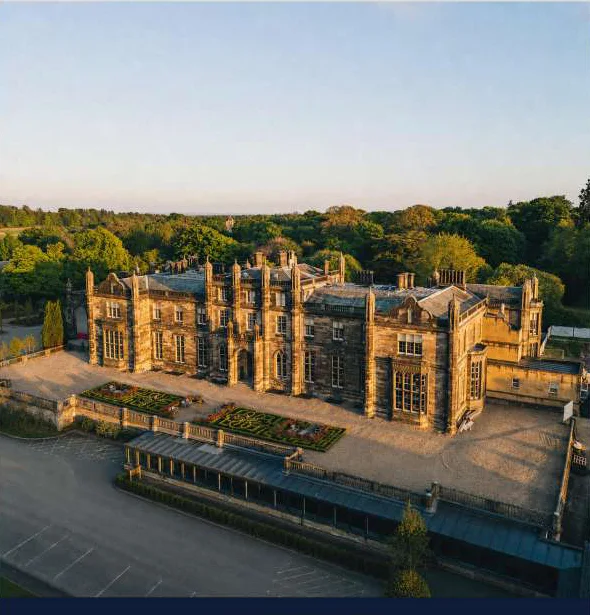
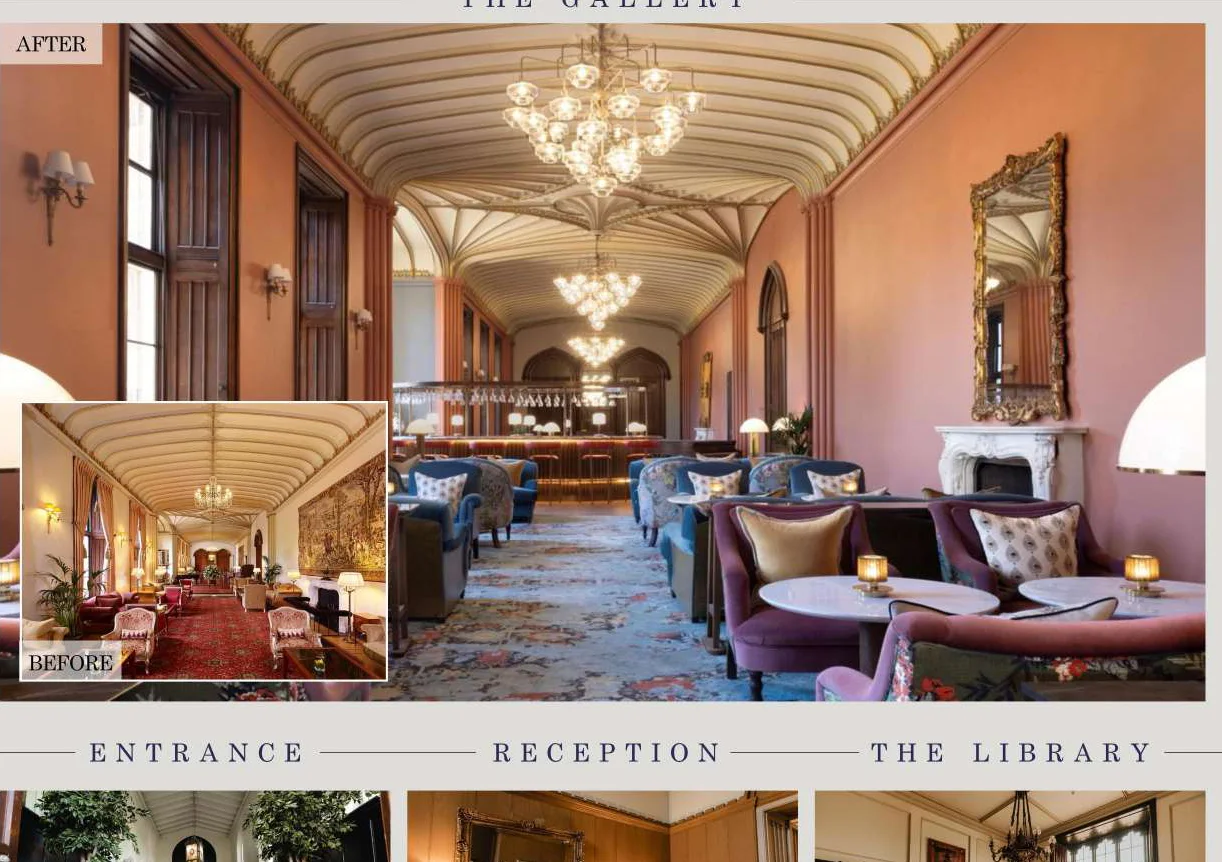
Restored lounge interior at Mar Hall
Our Approach

One accountable team

The investor deals with Align alone. Behind that single point of accountability sits the full delivery structure.

Investor
Align Partners
Brand StrategyIn-houseProcurementIn-houseFinanceIn-houseConcept DesignIn-houseDevelopmentIn-houseOperationsIn-house
Quantity SurveyorConsultant teamDesignersConsultant teamProject ManagerConsultant teamOther SpecialistsConsultant team
Turnaround Methodology

Five phases, one direction

A successful turnaround is not defined by cost reduction alone. It is achieved when a hotel becomes more competitive, more profitable and more valuable for the long term.

Phase 1Diagnostic review

Diagnosing performance gaps and value opportunities.

  • Market positioning and competitive analysis
  • Commercial performance
  • Capital expenditure requirements
  • Revenue management
  • Management capability
  • Sales and distribution
  • Guest feedback and reputation
  • Departmental profitability
  • Operational risks and compliance
Phase 2100-day action plan

Early-impact initiatives without significant capital investment.

  • Revenue optimisation
  • Commercial accountability
  • Pricing strategy
  • Sales activity
  • Cost control
  • Cash management
  • Procurement efficiencies
  • Operational standards
  • Labour scheduling
  • Management reporting
Phase 3Operational & commercial optimisation

Strengthening the hotel’s competitive position.

  • Revenue management
  • Service standards
  • Direct booking strategy
  • Team development
  • Digital marketing
  • Technology and systems
  • Food and beverage concepts
  • Brand positioning
  • Guest experience
  • Distribution optimisation
Phase 4Capital investment & optimisation

Projects prioritised by strategic fit, operational impact and expected return.

  • Higher EBITDA
  • Stronger management capability
  • Improved cash generation
  • Improved valuation
  • Enhanced guest satisfaction
  • Greater investment appeal
  • Increased market share
  • Reduced operational risk
Phase 5
Value creation

A hotel that is more competitive, more profitable and more valuable for the long term.

  1. Phase 1

    Diagnostic review

    Diagnosing performance gaps and value opportunities.

    • Market positioning and competitive analysis
    • Commercial performance
    • Capital expenditure requirements
    • Revenue management
    • Management capability
    • Sales and distribution
    • Guest feedback and reputation
    • Departmental profitability
    • Operational risks and compliance
  2. Phase 2

    100-day action plan

    Early-impact initiatives without significant capital investment.

    • Revenue optimisation
    • Commercial accountability
    • Pricing strategy
    • Sales activity
    • Cost control
    • Cash management
    • Procurement efficiencies
    • Operational standards
    • Labour scheduling
    • Management reporting
  3. Phase 3

    Operational & commercial optimisation

    Strengthening the hotel’s competitive position.

    • Revenue management
    • Service standards
    • Direct booking strategy
    • Team development
    • Digital marketing
    • Technology and systems
    • Food and beverage concepts
    • Brand positioning
    • Guest experience
    • Distribution optimisation
  4. Phase 4

    Capital investment & optimisation

    Projects prioritised by strategic fit, operational impact and expected return.

    • Higher EBITDA
    • Stronger management capability
    • Improved cash generation
    • Improved valuation
    • Enhanced guest satisfaction
    • Greater investment appeal
    • Increased market share
    • Reduced operational risk
  5. Phase 5

    Value creation

    A hotel that is more competitive, more profitable and more valuable for the long term.

  1. 1
    Phase 1

    Diagnostic review

    Diagnosing performance gaps and value opportunities.

    • Market positioning and competitive analysis
    • Commercial performance
    • Capital expenditure requirements
    • Revenue management
    • Management capability
    • Sales and distribution
    • Guest feedback and reputation
    • Departmental profitability
    • Operational risks and compliance
  2. 2
    Phase 2

    100-day action plan

    Early-impact initiatives without significant capital investment.

    • Revenue optimisation
    • Commercial accountability
    • Pricing strategy
    • Sales activity
    • Cost control
    • Cash management
    • Procurement efficiencies
    • Operational standards
    • Labour scheduling
    • Management reporting
  3. 3
    Phase 3

    Operational & commercial optimisation

    Strengthening the hotel’s competitive position.

    • Revenue management
    • Service standards
    • Direct booking strategy
    • Team development
    • Digital marketing
    • Technology and systems
    • Food and beverage concepts
    • Brand positioning
    • Guest experience
    • Distribution optimisation
  4. 4
    Phase 4

    Capital investment & optimisation

    Projects prioritised by strategic fit, operational impact and expected return.

    • Higher EBITDA
    • Stronger management capability
    • Improved cash generation
    • Improved valuation
    • Enhanced guest satisfaction
    • Greater investment appeal
    • Increased market share
    • Reduced operational risk
5
Phase 5

Value creation

A hotel that is more competitive, more profitable and more valuable for the long term.

Phase 1

Diagnostic review

Diagnosing performance gaps and value opportunities.

  • Market positioning and competitive analysis
  • Commercial performance
  • Capital expenditure requirements
  • Revenue management
  • Management capability
  • Sales and distribution
  • Guest feedback and reputation
  • Departmental profitability
  • Operational risks and compliance
Phase 2

100-day action plan

Early-impact initiatives without significant capital investment.

  • Revenue optimisation
  • Commercial accountability
  • Pricing strategy
  • Sales activity
  • Cost control
  • Cash management
  • Procurement efficiencies
  • Operational standards
  • Labour scheduling
  • Management reporting
Phase 3

Operational & commercial optimisation

Strengthening the hotel’s competitive position.

  • Revenue management
  • Service standards
  • Direct booking strategy
  • Team development
  • Digital marketing
  • Technology and systems
  • Food and beverage concepts
  • Brand positioning
  • Guest experience
  • Distribution optimisation
Phase 4

Capital investment & optimisation

Projects prioritised by strategic fit, operational impact and expected return.

  • Higher EBITDA
  • Stronger management capability
  • Improved cash generation
  • Improved valuation
  • Enhanced guest satisfaction
  • Greater investment appeal
  • Increased market share
  • Reduced operational risk
Phase 5

Value creation

A hotel that is more competitive, more profitable and more valuable for the long term.

Outcomes

What owners can expect

  1. 01

    A clear understanding of performance gaps, risks and value-creation opportunities

  2. 02

    Improved cash flow, stronger operational discipline and increased owner confidence

  3. 03

    Sustainable growth in occupancy, ADR, RevPAR and EBITDA

  4. 04

    An enhanced guest proposition and a stronger market position

  5. 05

    A stronger, more valuable asset

Contact

Own an underperforming asset?

A two-to-three week diagnostic review is usually where we start: trading performance, brand audit, asset condition, team and culture. Speak to us about what it would show.

Get in touch